

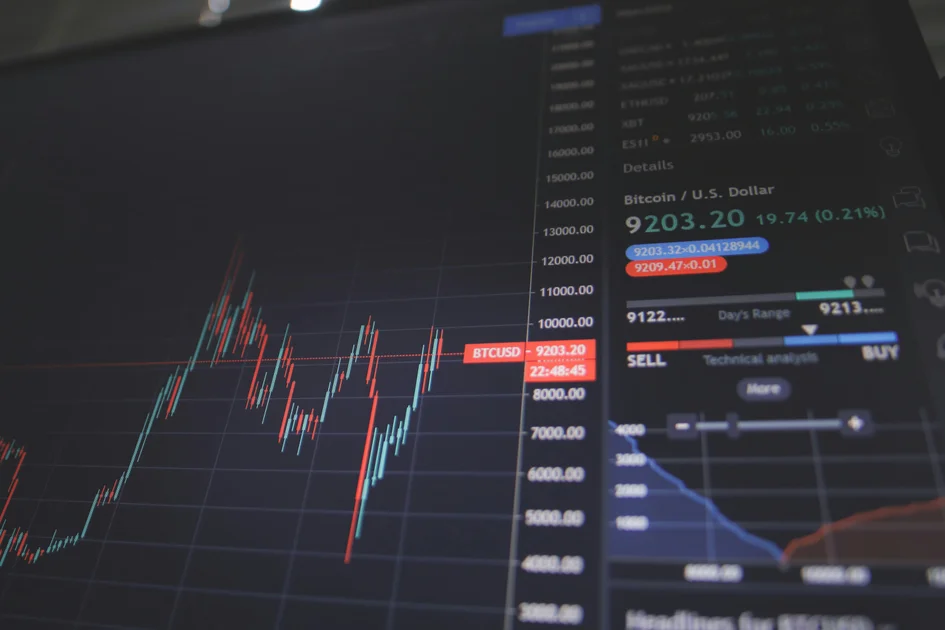
Global financial market analysis and updates are crucial in 2026, as the world navigates through economic uncertainties. The global financial market is a complex system that involves the interaction of various financial institutions, investors, and governments. Understanding the current trends and updates in the global financial market is essential for making informed investment decisions and navigating the ever-changing economic landscape. According to a report by the International Monetary Fund (IMF), the global economy is expected to grow at a rate of 3.4% in 2026, driven by the recovery of major economies such as the United States and China. For more information on global economic trends, visit the IMF website.
Market Trends
The global financial market is characterized by various trends, including the rise of emerging markets, the growth of digital payments, and the increasing importance of sustainability. Emerging markets such as Brazil, Russia, India, and China (BRIC) are expected to drive economic growth in 2026, with their combined GDP projected to reach $14 trillion by the end of the year. The growth of digital payments is also expected to continue, with the global digital payments market projected to reach $10 trillion by 2026.
The increasing importance of sustainability is another key trend in the global financial market. Investors are becoming increasingly aware of the need to invest in sustainable and environmentally friendly companies, with many pension funds and other institutional investors incorporating environmental, social, and governance (ESG) factors into their investment decisions. For more information on sustainable investing, visit the United Nations Principles for Responsible Investment (UNPRI) website.
Financial Institutions
Financial institutions play a crucial role in the global financial market, providing a range of financial services to individuals, businesses, and governments. Banks, insurance companies, and asset managers are some of the key financial institutions that operate in the global financial market. These institutions are expected to continue to evolve in 2026, with the adoption of digital technologies such as artificial intelligence (AI) and blockchain.
The use of AI and blockchain is expected to improve the efficiency and security of financial transactions, with many financial institutions already investing heavily in these technologies. For example, JPMorgan Chase has developed a blockchain-based platform for cross-border payments, which is expected to reduce transaction times and costs. For more information on blockchain technology, visit the IBM Blockchain website.
Regulatory Environment
The regulatory environment is a critical factor in the global financial market, with governments and regulatory bodies playing a key role in shaping the market. The regulatory environment is expected to continue to evolve in 2026, with a focus on improving financial stability and protecting consumers. The Basel Committee on Banking Supervision (BCBS) is one of the key regulatory bodies that oversees the global banking system, with its Basel III regulations aimed at improving the capital adequacy of banks.
Investment Opportunities
The global financial market offers a range of investment opportunities, including stocks, bonds, and commodities. Stocks are a popular investment option, with many investors seeking to benefit from the growth of companies such as Amazon and Google. Bonds are another key investment option, with government and corporate bonds offering a relatively low-risk investment opportunity.
Commodities such as gold and oil are also popular investment options, with many investors seeking to benefit from price fluctuations. The price of gold is expected to remain high in 2026, driven by demand from central banks and investors seeking a safe-haven asset. For more information on investing in gold, visit the World Gold Council website.
Cost & Pricing Breakdown
The cost of investing in the global financial market can vary depending on the type of investment and the financial institution. The following table outlines the estimated costs of investing in different asset classes:
| Asset Class | Estimated Cost |
|---|---|
| Stocks | 0.5%-1.5% per annum |
| Bonds | 0.2%-0.5% per annum |
| Commodities | 1%-2% per annum |
These costs can vary depending on the financial institution and the type of investment, with some institutions offering lower-cost investment options.
Quick Facts & Statistical Insights
The global financial market is projected to reach $100 trillion by 2026, driven by the growth of emerging markets and the increasing importance of sustainability. The global digital payments market is expected to reach $10 trillion by 2026, with the use of mobile payments expected to increase by 20% per annum. The price of gold is expected to remain high in 2026, driven by demand from central banks and investors seeking a safe-haven asset.
These statistics highlight the growth and evolution of the global financial market, with new technologies and trends emerging all the time.
Key Takeaways
- The global financial market is expected to grow at a rate of 3.4% in 2026, driven by the recovery of major economies.
- Emerging markets such as Brazil, Russia, India, and China (BRIC) are expected to drive economic growth in 2026.
- The growth of digital payments is expected to continue, with the global digital payments market projected to reach $10 trillion by 2026.
- The increasing importance of sustainability is another key trend in the global financial market.
- Financial institutions are expected to continue to evolve in 2026, with the adoption of digital technologies such as AI and blockchain.
- The regulatory environment is a critical factor in the global financial market, with governments and regulatory bodies playing a key role in shaping the market.
Frequently Asked Questions
What is the global financial market?
The global financial market is a complex system that involves the interaction of various financial institutions, investors, and governments. It provides a range of financial services to individuals, businesses, and governments, including banking, insurance, and investments.
How do I invest in the global financial market?
There are many ways to invest in the global financial market, including stocks, bonds, and commodities. You can invest directly or through a financial institution such as a bank or asset manager.
What are the risks of investing in the global financial market?
There are many risks associated with investing in the global financial market, including market volatility, credit risk, and liquidity risk. It is essential to understand these risks and to diversify your investments to minimize your exposure.
How do I protect my investments in the global financial market?
There are many ways to protect your investments in the global financial market, including diversification, hedging, and insurance. It is essential to understand the different types of risk and to take steps to mitigate them.
What is the role of financial institutions in the global financial market?
Financial institutions play a crucial role in the global financial market, providing a range of financial services to individuals, businesses, and governments. They are expected to continue to evolve in 2026, with the adoption of digital technologies such as AI and blockchain.
Conclusion
In conclusion, the global financial market is a complex and evolving system that provides a range of financial services to individuals, businesses, and governments. Understanding the current trends and updates in the global financial market is essential for making informed investment decisions and navigating the ever-changing economic landscape. With the growth of emerging markets, the increasing importance of sustainability, and the adoption of digital technologies, the global financial market is expected to continue to evolve in 2026 and beyond.