


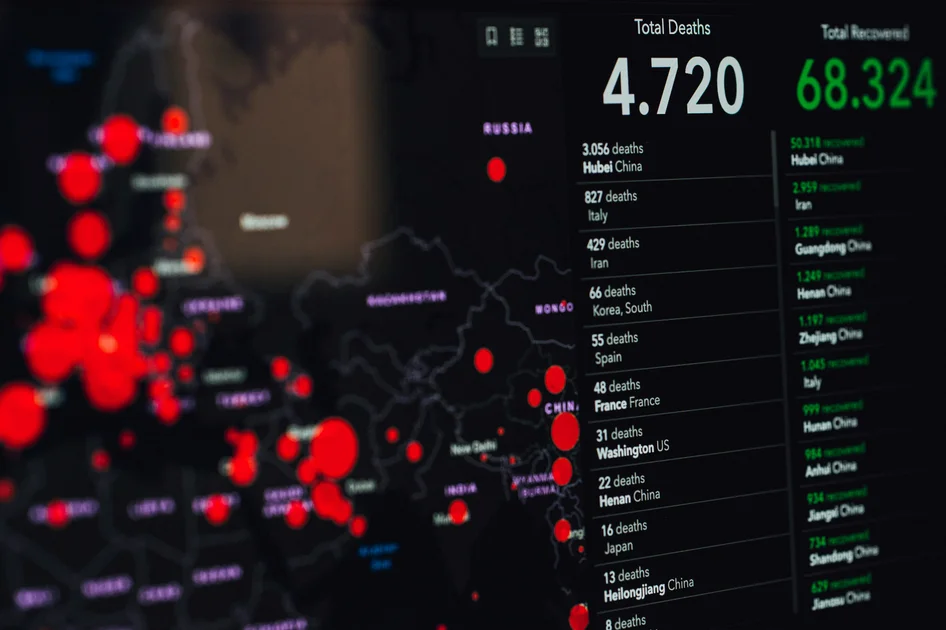
The latest global business market developments in 2026 have been marked by significant transformations, with the keyword “digitalization” being a major driving force. As companies continue to adapt to the post-pandemic landscape, they are increasingly leveraging technology to streamline operations, enhance customer experiences, and stay ahead of the competition. According to a report by McKinsey, digitalization is expected to play a crucial role in shaping the future of businesses, with investments in digital technologies projected to reach $1.3 trillion by the end of 2026. This trend is also supported by a report from Gartner, which highlights the importance of digitalization in today’s business landscape.
Market Trends
The current market trends in 2026 are characterized by a shift towards sustainable and environmentally friendly practices, with companies increasingly adopting eco-friendly technologies and supply chain management systems. This trend is driven by growing consumer demand for sustainable products and services, as well as regulatory pressures to reduce carbon emissions. A report by UNEP highlights the importance of sustainable business practices in reducing environmental impact.
In addition to sustainability, another key trend in 2026 is the rise of e-commerce and online shopping, with more consumers turning to digital platforms to purchase goods and services. This shift has created new opportunities for businesses to reach a wider audience and expand their customer base. However, it also poses significant challenges, particularly for small and medium-sized enterprises (SMEs) that may lack the resources and infrastructure to compete with larger corporates.
Furthermore, the increasing use of artificial intelligence (AI) and machine learning (ML) is also transforming the business landscape in 2026, with companies leveraging these technologies to enhance operational efficiency, improve customer service, and gain a competitive edge. According to a report by IBM, AI and ML are expected to play a critical role in shaping the future of businesses, with investments in these technologies projected to reach $100 billion by the end of 2026.
Industry Analysis
The latest industry analysis in 2026 reveals significant growth opportunities in sectors such as renewable energy, healthcare, and finance, with companies investing heavily in research and development to stay ahead of the curve. A report by Goldman Sachs highlights the growth potential of these sectors, with investments in renewable energy alone expected to reach $1.5 trillion by the end of 2026.
In addition to these sectors, the industry analysis also highlights the importance of cybersecurity in 2026, with companies facing increasing threats from cyberattacks and data breaches. This has created a significant demand for cybersecurity solutions and services, with companies investing heavily in this area to protect their assets and reputation.
Moreover, the increasing demand for digital skills is also transforming the industry landscape in 2026, with companies seeking professionals with expertise in areas such as data science, cloud computing, and digital marketing. According to a report by LinkedIn, the demand for digital skills is expected to continue growing in 2026, with companies facing significant challenges in finding and retaining talent with the right skills.
Sub-Sector Analysis
A closer look at the sub-sectors reveals that companies in the technology and finance sectors are leading the way in terms of innovation and growth, with significant investments in research and development and a strong focus on digitalization. A report by Accenture highlights the growth potential of these sub-sectors, with investments in technology alone expected to reach $500 billion by the end of 2026.
Comparison Table / Specifications Table
The following comparison table highlights the key features and specifications of different business models in 2026:
| Business Model | Key Features | Benefits |
|---|---|---|
| Digital Business | Online platform, digital products, data analytics | Increased reach, improved customer experience, enhanced operational efficiency |
| Sustainable Business | Eco-friendly supply chain, renewable energy, sustainable practices | Reduced environmental impact, improved brand reputation, increased customer loyalty |
| AI-Powered Business | Artificial intelligence, machine learning, automation | Improved operational efficiency, enhanced customer service, increased competitiveness |
Pros and Cons Analysis
The pros and cons analysis of the latest global business market developments in 2026 reveals that while digitalization and sustainability offer significant benefits, they also pose significant challenges, particularly for SMEs and companies in developing economies. A report by World Bank highlights the challenges faced by SMEs in adopting digital technologies, with limited access to funding and infrastructure being major obstacles.
On the other hand, the pros of digitalization and sustainability include increased efficiency, improved customer experience, and enhanced competitiveness, with companies that adopt these trends expected to outperform their peers. According to a report by BCG, companies that adopt digital technologies are expected to achieve significant cost savings and revenue growth.
Moreover, the cons of digitalization and sustainability include the potential for job displacement, increased cybersecurity risks, and the need for significant investments in infrastructure and training. However, with the right strategies and investments, companies can mitigate these risks and maximize the benefits of digitalization and sustainability.
Key Takeaways
The key takeaways from the latest global business market developments in 2026 are:
- Digitalization is a major driving force in the business landscape, with companies investing heavily in digital technologies to streamline operations and enhance customer experiences.
- Sustainability is a critical trend, with companies adopting eco-friendly practices and supply chain management systems to reduce environmental impact.
- The rise of e-commerce and online shopping is transforming the retail landscape, with companies needing to adapt to changing consumer behaviors and preferences.
- AI and ML are expected to play a critical role in shaping the future of businesses, with investments in these technologies projected to reach $100 billion by the end of 2026.
- Companies need to invest in digital skills and cybersecurity to stay ahead of the curve and mitigate potential risks.
Frequently Asked Questions
What are the latest global business market developments in 2026?
The latest global business market developments in 2026 include significant transformations driven by digitalization, sustainability, and the rise of e-commerce and online shopping.
How is digitalization impacting businesses in 2026?
Digitalization is having a profound impact on businesses in 2026, with companies investing heavily in digital technologies to streamline operations, enhance customer experiences, and stay ahead of the competition.
What are the benefits of sustainability in business?
The benefits of sustainability in business include reduced environmental impact, improved brand reputation, and increased customer loyalty, with companies that adopt sustainable practices expected to outperform their peers.
How is AI and ML transforming the business landscape in 2026?
AI and ML are transforming the business landscape in 2026, with companies leveraging these technologies to enhance operational efficiency, improve customer service, and gain a competitive edge.
What are the challenges faced by SMEs in adopting digital technologies?
The challenges faced by SMEs in adopting digital technologies include limited access to funding and infrastructure, with many SMEs struggling to keep up with the pace of digitalization.
Conclusion
In conclusion, the latest global business market developments in 2026 are marked by significant transformations driven by digitalization, sustainability, and the rise of e-commerce and online shopping. As companies continue to adapt to the post-pandemic landscape, they need to invest in digital skills, cybersecurity, and sustainable practices to stay ahead of the curve and mitigate potential risks. With the right strategies and investments, companies can maximize the benefits of these trends and achieve significant growth and success in 2026.