


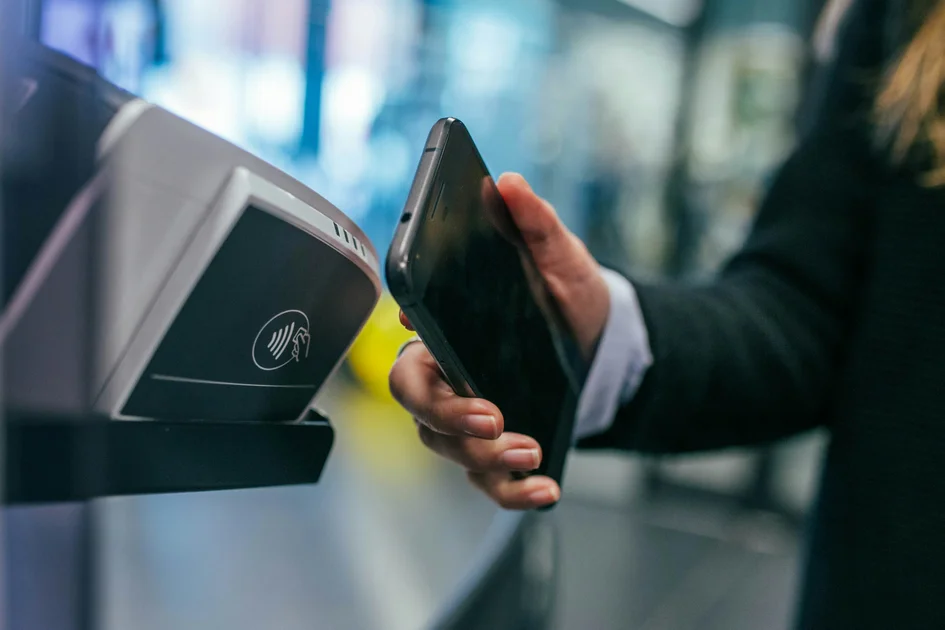
Digital payment technology trends and updates are rapidly reshaping the global financial landscape as we navigate 2026. The shift toward a cashless society has moved beyond simple convenience, evolving into a sophisticated ecosystem defined by interoperability, biometric authentication, and decentralized finance. Consumers and enterprises alike now demand instantaneous, borderless, and hyper-secure transaction methods that integrate seamlessly into their daily digital workflows. As legacy banking infrastructure continues to modernize, the integration of artificial intelligence and machine learning has become the bedrock for fraud prevention and personalized financial experiences. Understanding these technical shifts is essential for businesses aiming to remain competitive in an increasingly fragmented market where traditional rails are being challenged by real-time payment networks and programmable money.
The Rise of Real-Time Payments
Real-time payments (RTP) have transitioned from an experimental novelty to a standard industry expectation in 2026. Governments and central banks worldwide have successfully deployed instant settlement rails, allowing funds to move between accounts in seconds rather than days. This evolution eliminates the traditional friction of clearing cycles, providing businesses with immediate liquidity and consumers with absolute clarity regarding their available balances. The widespread adoption of the ISO 20022 messaging standard has further catalyzed this growth, enabling richer data sets to travel alongside every transaction, which simplifies complex reconciliation processes for corporate finance departments and small business owners alike.
Beyond domestic borders, cross-border real-time settlements are becoming the next frontier. By leveraging distributed ledger technology and interconnected national payment systems, financial institutions are finally dismantling the high costs associated with international wire transfers. As highlighted by the Bank for International Settlements, the harmonization of these standards is critical for global economic integration. Companies that embrace these instant rails are seeing significant improvements in cash flow management, as the traditional “float” period disappears. This transition forces merchants to rethink their inventory management and supply chain logistics, as payment finality now happens almost simultaneously with the point of sale or invoice issuance.
Biometric Authentication Standards
In 2026, the era of static passwords and insecure personal identification numbers is effectively over. Biometric authentication has become the gold standard for securing digital transactions, utilizing advanced facial recognition, behavioral patterns, and physiological markers to verify identity. Unlike traditional methods, these systems are inherently difficult to spoof and provide a frictionless user experience that does not require the customer to memorize credentials. By analyzing unique interactions—such as how a user holds their smartphone or their specific typing cadence—financial applications can now detect potential account takeovers before a fraudulent transaction is even initiated.
Behavioral Analytics in Payments
Behavioral biometrics now serve as a silent watchdog in the background of every digital wallet interaction. This technology maps thousands of individual data points to create a unique user profile, ensuring that the person initiating the payment is the legitimate account holder. If an anomaly is detected, the system automatically triggers step-up authentication, such as a multi-modal biometric scan or an encrypted hardware token request. This proactive approach to security has drastically reduced false declines while maintaining a high level of trust for end-users. As these technologies mature, they are becoming standard across all mobile banking platforms and digital merchant gateways.
Reddit & Expert Community Consensus
The sentiment across professional fintech forums in 2026 indicates a strong preference for decentralized identity verification. One expert contributor noted, “The shift away from SMS-based two-factor authentication is the most positive change in the last decade; behavioral biometrics have turned the smartphone into a secure vault.” Another developer on a popular industry sub-forum added, “Interoperability is the current buzzword, but the real engineering challenge is maintaining high throughput on decentralized payment nodes without sacrificing the user experience.” These perspectives reflect a broader industry consensus that security must be invisible yet impenetrable to satisfy the modern consumer’s demand for speed.
Cost & Pricing Breakdown
Understanding the financial implications of modern payment infrastructure is vital for any organization. Below is a breakdown of the typical cost structures associated with deploying contemporary payment solutions in 2026.
| Service Component | Estimated Monthly Cost | Pricing Model |
|---|---|---|
| RTP Gateway Integration | $500
|
Fixed + Per-transaction |
| Biometric Security API | $0.02
|
Per-authentication |
| Blockchain Node Maintenance | $150
|
Monthly Subscription |
| Fraud Detection Engine | $1,000+ | Tiered Volume-based |
| Compliance/KYC Suite | $300
|
Per-user/verification |
Programmable Money and CBDCs
Central Bank Digital Currencies (CBDCs) and stablecoins have matured into functional tools for programmable money. By embedding logic directly into the currency—such as smart contracts that release funds only upon the confirmed delivery of goods—businesses can automate complex escrow and settlement processes. This capability removes the need for expensive intermediaries and reduces the risk of counterparty default. In 2026, we are witnessing the first large-scale enterprise deployments where supply chain payments are triggered automatically by IoT sensors, marking a significant step toward the “Internet of Value.”
The regulatory framework surrounding these assets has also become more defined, providing the legal certainty required for institutional adoption. Financial regulators have shifted from skepticism to active collaboration, creating sandboxes for the development of these digital assets. This institutional endorsement is critical, as it bridges the gap between traditional fiat banking and the emerging decentralized economy. Companies that integrate programmable money solutions are finding that they can offer more flexible financing options to their customers, such as automated recurring payments that adjust dynamically based on usage or market conditions, thereby increasing customer retention and operational efficiency.
The Future of Digital Wallets
Digital wallets have evolved into comprehensive super-apps that act as a central hub for identity, loyalty, and finance. In 2026, a user’s wallet is no longer just a place to store credit card data; it is a repository for digital credentials, government-issued IDs, and encrypted tickets. This convergence of services allows for a unified experience where a single tap can authorize a payment, prove age eligibility, and apply loyalty points simultaneously. This level of utility has made the digital wallet the primary interface for consumer interaction with the digital economy, effectively replacing the physical leather wallet for the vast majority of transactions.
Furthermore, the integration of decentralized identity (DID) technology within these wallets allows users to control their personal data with unprecedented precision. Instead of sharing entire documents, a user can provide a “zero-knowledge proof” that they meet a certain requirement, such as being over the age of 21, without revealing their birthdate or address. This enhancement of privacy is a major selling point for privacy-conscious consumers and is driving the next wave of wallet adoption globally. As explored by the W3C standards body, the standardization of these digital identity protocols is the final piece of the puzzle for a truly universal digital wallet ecosystem.
Key Takeaways
- Real-time payment rails are now the global benchmark for transaction speed.
- Biometric authentication has rendered traditional password systems largely obsolete.
- Programmable money and smart contracts enable automated, low-risk business settlements.
- Digital wallets have evolved into secure, multi-functional identity and finance hubs.
- Zero-knowledge proofs are empowering users to maintain privacy while conducting transactions.
- Regulatory clarity for digital assets is fostering mainstream institutional adoption in 2026.
Frequently Asked Questions
What is the most significant change in 2026 payments?
The shift toward real-time settlement and the integration of behavioral biometrics as the primary security layer are the most transformative changes impacting the industry this year.
Are CBDCs replacing traditional bank accounts?
CBDCs are designed to exist alongside traditional accounts, acting as a digital complement to cash rather than a total replacement for existing commercial banking infrastructure.
How does zero-knowledge proof improve transaction security?
It allows users to verify their credentials or eligibility for a transaction without sharing sensitive personal data, significantly reducing the risk of identity theft during digital interactions.
Is digital payment technology safe for small businesses?
Yes, modern payment gateways offer enterprise-grade fraud protection and simplified reconciliation tools that make digital transactions safer and more efficient for small enterprises than ever before.
What is the role of ISO 20022 in modern finance?
ISO 20022 provides a universal language for financial messaging, ensuring that data is consistent and interoperable across global payment systems, which facilitates faster and more transparent processing.
Conclusion
The landscape of digital payment technology in 2026 is defined by unprecedented speed, heightened security, and the intelligent application of programmable assets. As businesses and consumers adopt these innovations, the friction that once characterized global finance is rapidly dissolving. By leveraging real-time rails, biometric authentication, and smart contract technology, organizations can create more resilient and efficient operations. While the technological shift is significant, the underlying goal remains the same: to facilitate value exchange with total trust and minimal delay. Staying informed and agile in this rapidly evolving environment is the key to achieving long-term success in the digital economy.